

June 18, 2026 | Car Accidents
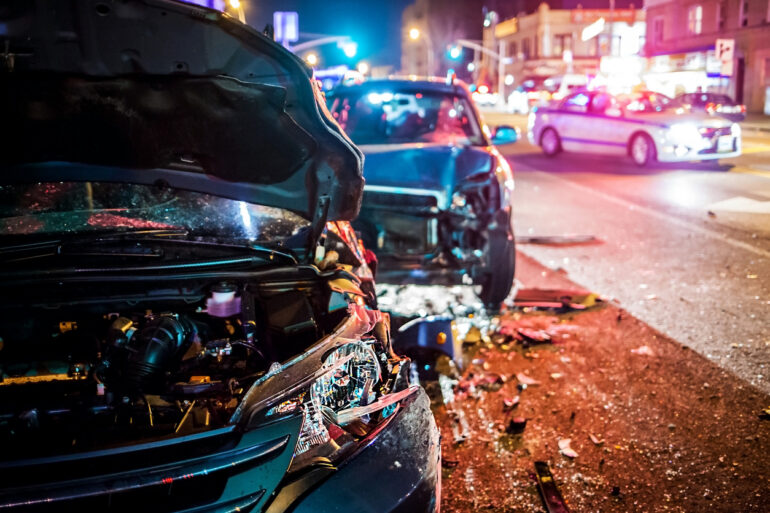
When people think about a car accident, they often picture two vehicles colliding. However, injury experts and accident investigators recognize that a crash actually involves multiple impacts. This concept, known as the three-collision rule, helps explain why victims can suffer serious injuries even in accidents that seem relatively minor.
Understanding the three-collision rule can provide valuable insight into how injuries occur and why seeking medical attention after a crash is so important. If you have been injured in an Arizona car accident, knowing how these collisions affect your body may also help you better understand your legal rights.
The Three-Collision Rule Defined
The three-collision rule refers to the three separate impacts that occur during most motor vehicle accidents:
- The vehicle collision
- The human collision
- The internal collision
Each collision happens within fractions of a second, but together they can cause significant injuries.
The First Collision: Vehicle vs. Vehicle
The first collision is the one most people see and think about after a crash. This occurs when a vehicle strikes another vehicle, a fixed object, or another obstacle.
The force generated during this impact can cause extensive property damage. The severity of the first collision often depends on factors such as:
- Vehicle speed
- Vehicle size and weight
- Angle of impact
- Road and weather conditions
- Use of safety features
While vehicle damage can provide clues about the crash, it does not always accurately reflect the extent of a person’s injuries. Even low-speed accidents can result in serious physical harm.
The Second Collision: Occupant vs. Vehicle Interior
The second collision occurs when the occupants inside the vehicle continue moving after the initial impact. According to the laws of physics, the body remains in motion until something stops it.
For example, a driver involved in a rear-end collision may be thrown forward into the steering wheel, dashboard, seat belt, or airbag. Passengers may strike windows, doors, headrests, or other interior surfaces.
This second collision is often responsible for many common accident injuries, including:
- Whiplash
- Concussions
- Broken bones
- Neck injuries
- Back injuries
- Facial injuries
- Traumatic brain injuries
Seat belts and airbags are designed to reduce the severity of the second collision. While they cannot eliminate all injuries, they often prevent much more serious harm.
The Third Collision: Internal Organs vs. the Body
The third collision is often the most overlooked but can be one of the most dangerous. Even after the body stops moving, internal organs continue to travel until they collide with bones, tissues, or other organs.
For example, the brain may strike the inside of the skull during a sudden impact. Similarly, internal organs such as the liver, lungs, or kidneys may suffer trauma due to the force of the crash.
The third collision can result in severe injuries such as:
- Internal bleeding
- Organ damage
- Brain injuries
- Contusions
- Hemorrhaging
Because these injuries are not always immediately visible, accident victims may mistakenly believe they are unharmed. In some cases, symptoms can take hours or even days to appear.
How the Three-Collision Rule Can Affect an Injury Claim
Insurance companies sometimes argue that a collision was too minor to cause substantial injuries. The three-collision rule helps explain why this assumption is often incorrect.
Medical experts, accident reconstruction specialists, and personal injury attorneys frequently use this concept to demonstrate how crash forces affect the human body.
Evidence regarding the second and third collisions may help support claims involving:
- Soft tissue injuries
- Traumatic brain injuries
- Internal organ damage
- Long-term pain and suffering
- Ongoing medical treatment needs
A comprehensive understanding of the crash dynamics can strengthen a victim’s case and provide a clearer picture of the full extent of their losses.
Contact a Scottsdale Car Accident Attorney at KRLG Injury Lawyers for a Free Consultation
If you were injured in a car accident in Arizona, the effects of the crash may extend far beyond the visible damage to your vehicle. The three-collision rule illustrates how serious injuries can occur even when an accident appears minor at first glance.
An experienced Scottsdale car accident lawyer at KRLG Injury Lawyers can help you assess your legal options. Reach out to us today for a free consultation.
We serve Scottsdale, Phoenix, Maricopa County, & Arizona’s surrounding areas.
KRLG Injury Lawyers
7702 E Doubletree Ranch Rd #150, Scottsdale, AZ 85258
(623) 303-5754