
December 15, 2025 | Truck Accidents
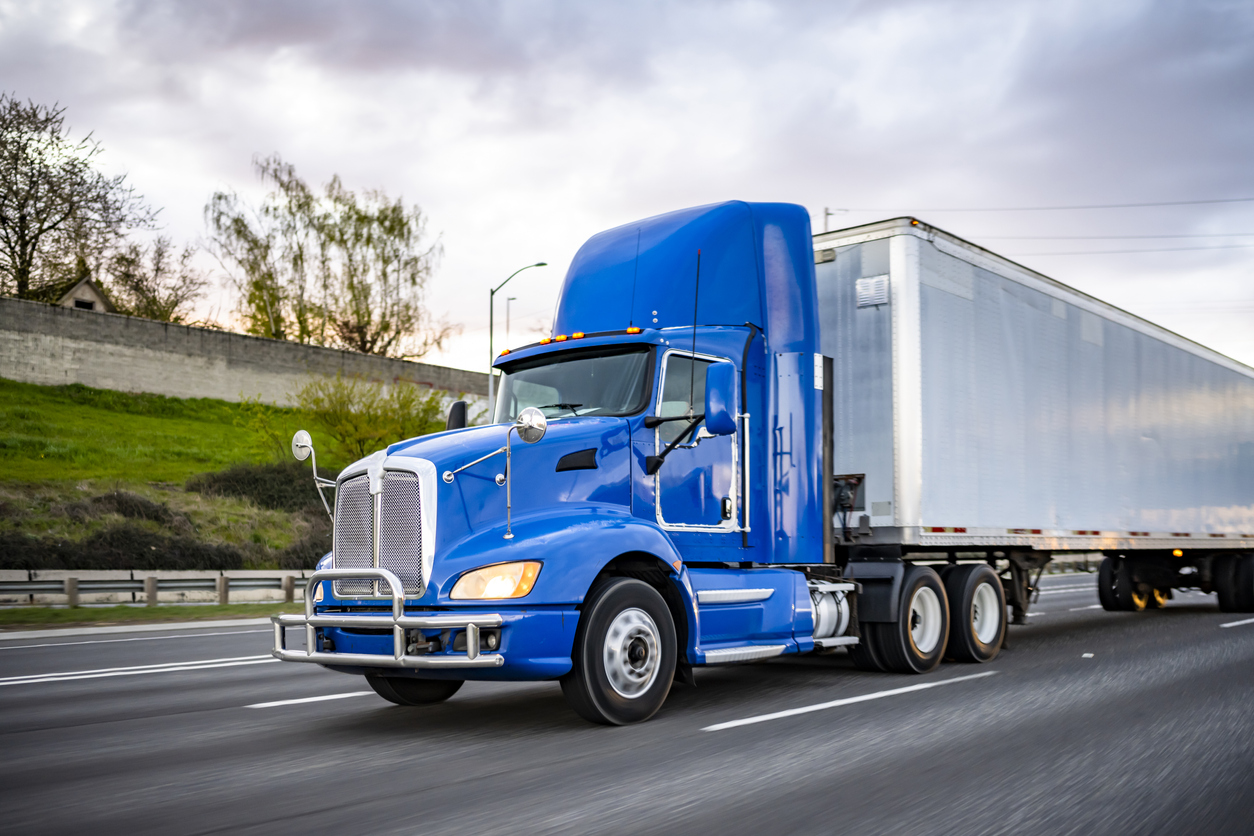
When you see a big rig suddenly folding at the hinge between the cab and trailer, like a pocketknife snapping shut, that is called a jackknife. In Scottsdale and across Arizona highways, jackknifing is one of the most dangerous types of truck accidents.
Understanding what causes these events helps drivers stay alert and can help injury victims and their families recognize when negligence may be involved.
What Is a Jackknife Accident
A jackknife accident happens when a truck’s trailer swings out to the side while the cab continues forward or brakes. The result is an L-shaped or V-shaped configuration between the cab and trailer. This can occur when the trailer loses traction or fails to slow down as the front part of the truck slows or turns.
The heavy weight of the trailer makes these situations especially dangerous. Once control is lost, the trailer’s momentum can push the cab sideways, causing serious accidents.
Common Factors Leading to Jackknifing
One of the main causes of jackknifing is sudden or improper braking. When a truck driver applies brakes too abruptly, especially on slick roads, the trailer may not slow down at the same rate as the cab.
If the trailer’s wheels lock up or skid while the cab slows, the trailer can swing out, folding the truck at the connection point. Uneven braking or brake failure is a major cause of many jackknife crashes.
Mechanical Failures and Poor Maintenance
Trucks must be carefully maintained. Brake problems, tire defects, and suspension issues can all reduce stability.
Common mechanical causes of jackknifing include:
- Worn or underinflated tires
- Brake failures or uneven braking systems
- Faulty coupling hitches or trailer connections
When maintenance is neglected, the risk of jackknifing increases significantly.
Improper Load or Uneven Cargo Distribution
How cargo is loaded and secured in the trailer matters a great deal. If cargo is overloaded, unbalanced, or improperly secured, the trailer becomes less stable. During braking or turns, an uneven load can cause the trailer to sway, slide, or swing out. This makes the entire rig more likely to jackknife.
Speeding and Abrupt Maneuvers
Trucks traveling at high speeds have greater momentum. If a driver suddenly needs to slow down, turn, or avoid an obstacle, the trailer may not respond smoothly. Sharp turns, sudden lane changes, or swerves while speeding increase the risk of jackknifing because the trailer’s inertia can drag it sideways.
Road and Weather Conditions
Even in Arizona, roads can be slick. Rain or sudden slick patches from sand or other debris can reduce tire traction. When traction is reduced, braking and steering become more dangerous. In these conditions, a hard stop or abrupt maneuver may cause the trailer to skid and jackknife.
Driver Inexperience, Fatigue, or Poor Judgment
Driving a heavy commercial vehicle requires skill. Inexperienced or poorly trained drivers might misjudge stopping distance, turn too fast, or brake too hard. Fatigue and distraction can also impair reaction time or cause poor decisions. These human factors play a major role in many jackknife accidents.
Contact KRLG Injury Lawyers for a Free Consultation
Jackknife accidents rarely have a single cause. In most cases, they result from a combination of driver error, mechanical issues, unsafe loading practices, excessive speed, or hazardous road conditions. Because commercial trucks require careful operation and regular maintenance, many jackknife crashes are preventable.
When trucking companies, drivers, or maintenance providers fail to follow safety standards, the consequences can be devastating for everyone on the road. Contact KRLG Injury Lawyers for a free consultation if you or someone you love has been injured.
For more information, please contact the personal injury attorneys at Kurtz Riley Injury Lawyers at our nearest location to schedule a free consultation today.
We serve Scottsdale, Phoenix, Maricopa County, & Arizona’s surrounding areas.
Kurtz Riley Injury Lawyers
7702 E Doubletree Ranch Rd, Suite 150, Scottsdale, AZ 85258
(623) 303-5754